
leave a message
If you are interested in our products and want to know more details,please leave a message here,we will reply you as soon as we can.


Li Qiu / Beginning of Autumn
August 7: The Season of Harvest, Seen Through a Manufacturer's Eyes
The 13th solar term - where summer heat meets autumn rhythm
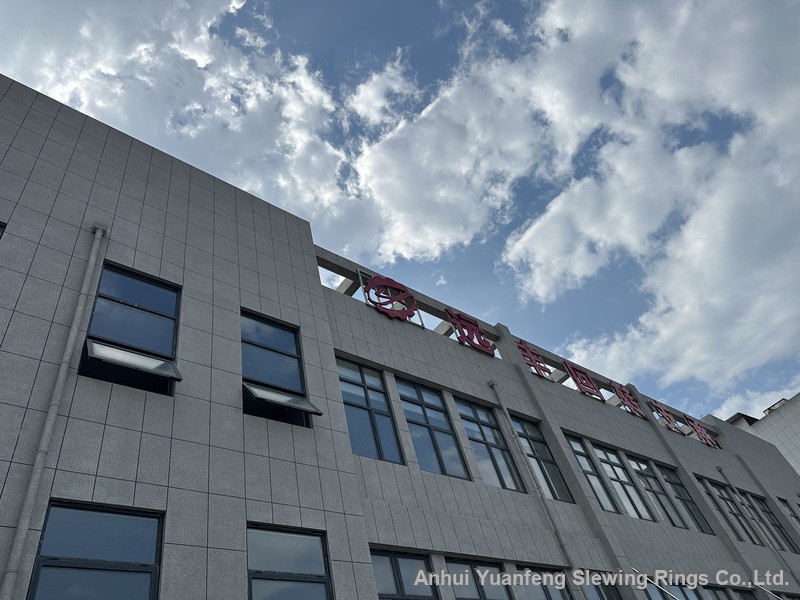
What is Li Qiu? It is the 13th solar term on the traditional Chinese calendar and the first term of autumn, falling on August 7 in 2026, when the sun reaches 135 degrees of celestial longitude. The name is a promise: Li means "beginning," and Qiu means "grain ripening" - the moment when nature shifts from vigorous growth toward maturity and harvest.
Yet in practice, Li Qiu rarely feels like autumn. It usually arrives while the "three ten-day heat periods" are still running, and the lingering heat can surge back in what the Chinese call the "autumn tiger" - short spells of scorching weather after the calendar has turned. The season carries a mixed climate: summer humidity not fully gone, autumn dryness just beginning.
For an industrial manufacturer, Li Qiu is a transition signal. Daytime heat still tests cooling systems and material behavior, while cooler nights change thermal conditions on the shop floor. At Anhui Yuanfeng, this seasonal turning point is part of how we plan production quality.
Three production factors that change when summer hands over to autumn
During summer, workshop temperature stays fairly even through the day. After Li Qiu, the gap between afternoon heat and early-morning coolness widens noticeably - a daily swing that can reach 15 degrees or more in our region. Steel dimensions shift with temperature: a 2,000 mm slewing ring changes roughly 0.14 mm per 10 degrees. When a bearing is measured in the cool morning and machined in the warm afternoon, the difference matters.
How Yuanfeng responds: We keep critical measurement bays climate-controlled all year, and we log the ambient temperature on every inspection report. During the transition weeks, we also schedule thermal-sensitive operations - final grinding, raceway measurement, gear inspection - at consistent times of day to keep readings comparable.
Li Qiu marks the beginning of the end of the rainy season. Workshop humidity starts falling, which eases one summer concern - surface corrosion - but introduces another: temperature and humidity fluctuations can affect the behavior of measuring equipment and the viscosity of lubricants and anti-rust compounds used in production.
How Yuanfeng responds: Our anti-rust and lubrication schedules are reviewed at each seasonal change. As humidity drops, we adjust the type and quantity of temporary anti-rust protection, and we verify that CMM and hardness-testing instruments remain within their calibrated operating range as the air becomes drier.
For the machines that carry our bearings - cranes, excavators, wind turbines, rotary tables - the summer-to-autumn transition is the ideal moment for maintenance planning. After months of high-temperature operation, grease condition and seal wear deserve a check before cooler weather changes lubricant behavior.
A practical note for equipment owners: Before temperatures drop, verify that the slewing bearing lubrication matches the upcoming operating season, inspect seal integrity, and listen for changes in rotation noise. Small checks in autumn prevent unplanned downtime in winter. Our team is happy to advise on lubrication schedules for your application.
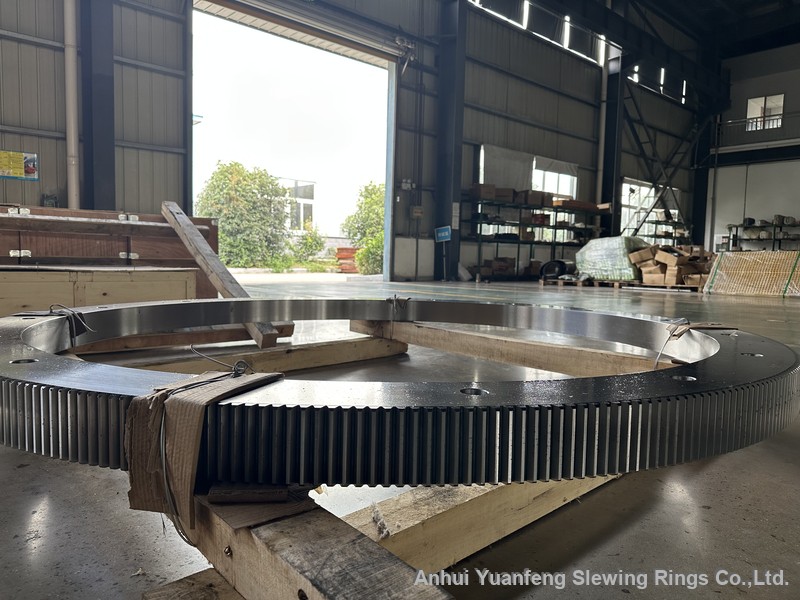
Li Qiu is not just a calendar point - it is one of the most important traditional festivals of the year. Several customs carry a quiet wisdom that applies as well to manufacturing as to daily life:
After a hot summer of reduced appetite, tradition says to restore the body with nourishing food once the weather cools. The sensible version of this custom - and the one we practice - is moderation: rebuild strength steadily rather than overloading all at once. In manufacturing terms, it is the same principle as planned maintenance: replenish resources before the demanding season, but do it in a controlled, measured way.
Eating watermelon or autumn fruits on Li Qiu day is said to "bite away the remaining summer heat." It is a small ritual of transition - acknowledging what is ending while welcoming what comes. Every workshop knows this rhythm: finishing the summer production rush, then preparing quietly for the autumn and year-end cycle.
In mountain villages, the autumn harvest is laid out to dry in colorful layers across rooftops and courtyards. It is the season's visible record of work done well. For a manufacturer, the equivalent is traceability - every bearing we ship carries a production record that documents the work behind it, ready for inspection at any time.
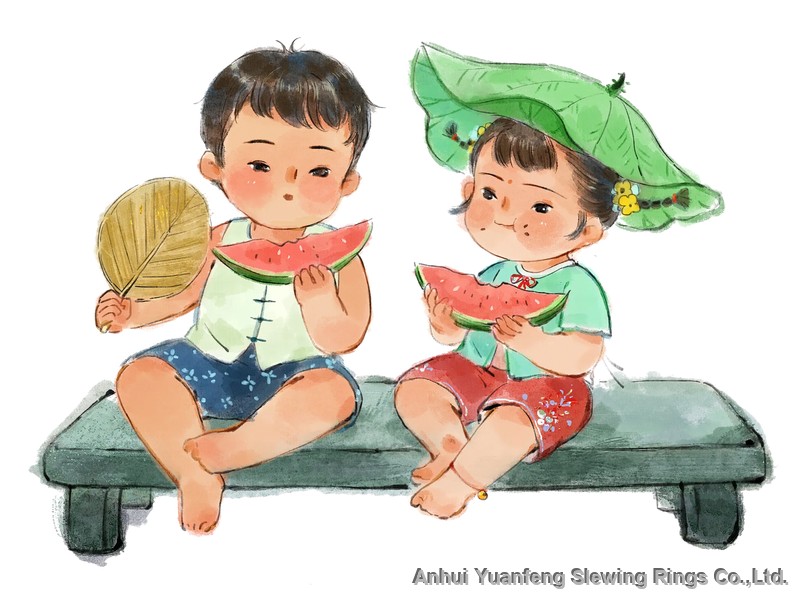
The autumn transition is a delicate time for people too. Days can still be hot, while evenings turn cool - a combination that invites colds if not managed carefully. At our Hefei facility, we remind our team about the seasonal shift: moderate night air-conditioning, protection for the neck, shoulders, and joints, and morning warm-up routines before starting work in cooler workshops.
Traditional autumn health advice - eat pears, lily, lotus root, and honey; favor sour flavors over spicy; avoid overeating - reflects a simple truth that also applies to industrial work: steady, balanced routines outperform bursts of intensity. We carry the same principle into production planning as the year moves toward its busiest quarter.
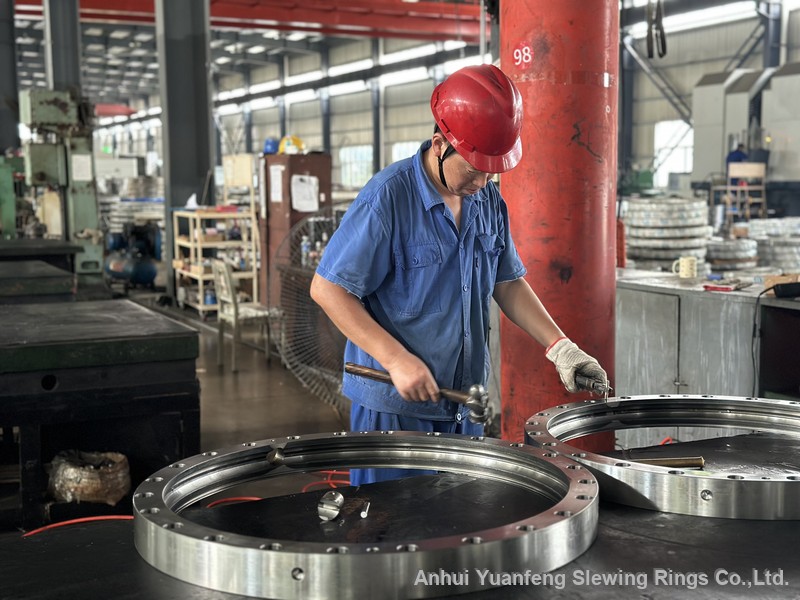
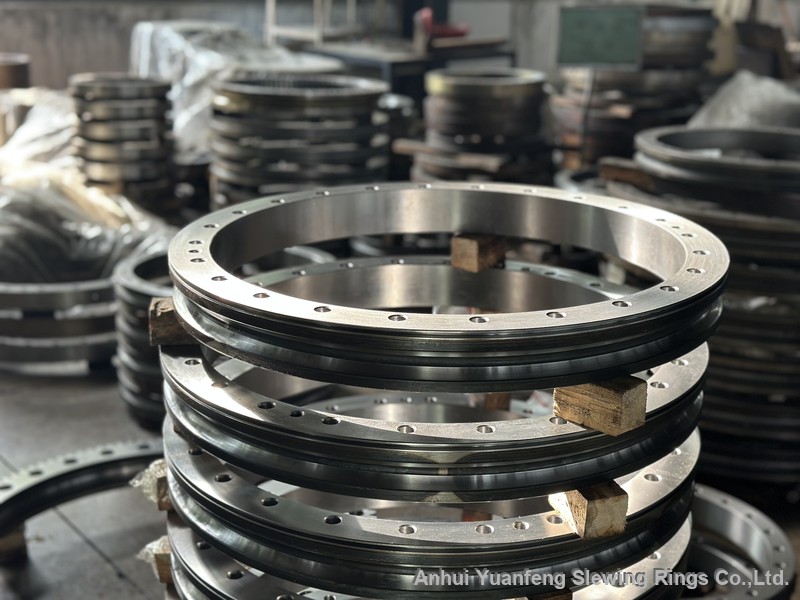
Li Qiu reminds us that every season has its purpose. Summer was the season of growth and intensity; autumn is the season of consolidation - reviewing what was built, maintaining it carefully, and preparing for the year ahead. At Anhui Yuanfeng Slewing Rings Co., Ltd., we produce slewing bearings from 200 mm to 6,000 mm, and we treat every season as part of our quality process: materials tested, tolerances verified, records kept, and customers supported year-round.
As the harvest season begins, we wish our customers and partners a productive autumn - and we are ready to support your projects with the same precision through every season to come.
Quick answers for buyers sourcing slewing rings
Q: How does temperature change affect slewing bearing tolerances?
Steel expands roughly 0.14 mm per 10 degrees Celsius on a 2,000 mm diameter ring. Wide day-night swings, like those after Li Qiu, can shift measurements taken at different times of day, which is why critical inspections are done in climate-controlled conditions.
Q: When should slewing bearing lubrication be checked?
Seasonal transitions are the ideal time. After a hot summer of continuous operation, verify grease condition and seal integrity before cooler weather changes lubricant behavior. An autumn check prevents winter downtime.
Q: What materials does Yuanfeng use for slewing rings?
We use 42CrMo and 50Mn alloy steels with raceway induction hardening (HRC 55-62), ground raceways, and Zeiss CMM inspection on every unit. Production range: 200 mm to 6,000 mm outer diameter.
Q: Can Yuanfeng provide custom slewing rings?
Yes. We engineer custom slewing rings to customer bolt patterns, load cases, and gear specifications, starting from a single piece. Send us your drawing or application details for a recommendation.
Have a question about your application? Leave a message~
Editor & Layout: Daphne Hsu
Anhui Yuanfeng Slewing Rings Co., Ltd.
CE & ISO 9001 Certified Manufacturer
Web: www.ahyfeng.com | Email: office@ahyfeng.com / Daphne@ahyfeng.com
Tel: +86-18298009271 | WhatsApp: +86 13965019293
leave a message
Scan to Wechat :

Scan to Whatsapp :